
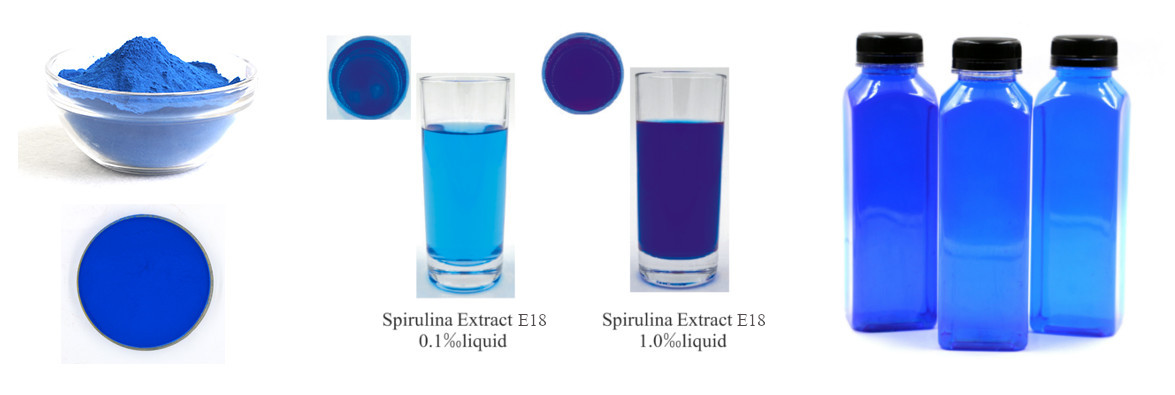
The use of natural colorants in the changing environment of food production is no longer a luxury option; it is a necessity. Consumers are increasingly becoming more attracted to foods that are appealing to the eyes and yet are health-conscious. Two such natural pigments include Beetroot Red and Spirulina Extract Color, which have proven to be one of the best choices in the production of vibrant, stable, and safe pigments. They are flexible in their application and have therefore contributed to the way products are displayed on the shelves of the stores.
Spirulina color extract: a green and sustainable solution.
Spirulina Extract Color is a natural color derived from the microalgae Spirulina that has a gorgeous blue-green color that is very prized in the food industry. This color not only looks great but also offers health value, including essential amino acids, vitamins and minerals. It is colourful and therefore fits very well in health drinks, smoothies, candies and dairy substitutes. Increased interest in plant-based and nutrient-enhanced foods has made Spirulina Extract Color an ingredient of the future in the eyes of contemporary food producers.
Comparison of Beetroot Red advantages in food applications.
Beetroot Red is popular due to its rich red color, and it does not fade easily in a moderate temperature and acidic environment. Its natural makeup makes sure that it improves the look of jams, sauces, yogurts and desserts without interfering with the taste. It is also transparent in labelling, unlike synthetic red dyes, and it is health-conscious. It has also been demonstrated that Beetroot Red is not affected by light degradation when prepared in the right way, and the products retain their rich colour during shelf life.
Spirulina Extract Color and its use in innovative product design.
Spirulina Extract Color has acquired the same name as creativity in the food industry. The shade of blue-green can be used to differentiate the product uniquely and is especially popular when it comes to the trendy product category, like plant-based snacks and specialty beverages. This pigment has a great aqueous solubility, and hence it disperses evenly without altering the product’s taste. Food developers are using Spirulina Extract Color as a sales pitch in addition to beauty, as well as a health-conscious ingredient.
Stability and Compatibility Applications to Natural Colorants.
Both Beetroot Red and Spirulina Extract Color possess quite significant benefits in terms of stability and compatibility, but each possesses certain parameters of maximum efficiency. Beetroot Red is tested to be effective in an acidic and moderate thermal environment, whereas Spirulina Extract Color would need to be controlled in pH in order to maintain its lively color. These are important factors that should be understood by manufacturers who want to manufacture homogeneous quality products. The appropriate formulation methods may reduce pigment degradation and enhance the visual effects on the consumers.
Driving Forces behind the Use of Natural Pigments by Consumers
Contemporary consumers are becoming more informed about artificial color additives, and this leads to the consumption of natural pigments such as Beetroot Red and Spirulina Extract Color. The need to have clean-label products with bright and natural colors has increased due to the platforms of social media and the transparency of packaging. With these pigments, the brands will not only enhance the visual appeal of their products, but they will also fit the values of health and environmental consciousness of the consumer, which will lead to trust and brand loyalty.
Opportunities in various food market segments.
The Beetroot Red and Spirulina Extract Color is used in various segments, such as beverages, confectionery, dairy, baked goods, and health supplements. Beverage producers use them in smoothies and functional drinks, and confectionery producers apply them to candies and chocolates to make attention-grabbing products using bright colors. These natural colorants are useful in dairy and plant-based alternatives to produce visually appealing yogurts and desserts, which proves the usefulness of the pigments in increasing the desirability of products of different categories.
Conclusion
The increasing demand for natural, safe, and aesthetically attractive food products is why Beetroot Red and Spirulina Extract Color are the indispensables of the food developers. Their capacity to provide stable and vibrant colors and have health-related advantages shows the changing standards in the production of food in modern society. These natural pigments can provide a stable solution to food innovators who are planning to develop products to be more appealing and meet consumer expectations. To get even more information on high-quality natural color solutions, go to foodrgb.com.
