
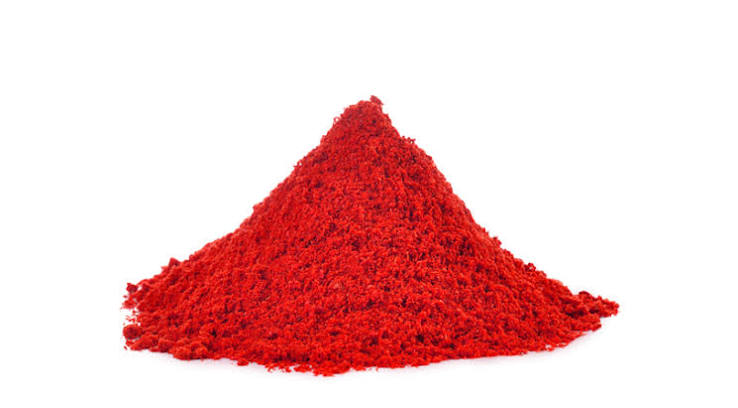
Color is a huge factor in food as well – people tend to notice first what the food looks like. The right shading is a product that will look better on a shelf or in a display. This is one of the reasons why the use of the purple food color has increased in value in various food categories. Meanwhile, natural red food color is a viable option for food producers who require plant-based ingredients that offer pleasing, consistent end product properties.
Plant Pigments Explained
Natural food colors are derived from fruits, vegetables and other plant-based pigments. Different shades are produced by those pigments depending upon how they are processed and applied in recipes. Purple color in the food is often produced using purple sweet potato, black carrot or red cabbage. Natural red food color can be made from beetroot, red radish or elderberry, all with slightly different performance characteristics.
Colors Across Recipes
Each food product has its specific formulation needs, and a single natural color is not always suitable for all food products. The production behavior of dairy products, beverages, confectionery, frozen desserts, and bakery items is all different. Purple is a color that manufacturers will use in the food industry when they want to give a food product a rich purple color with a good visual appearance. Food color that is “natural” is used for products that call for intense pink or red colors, rather than synthetic dyes.
Processing Influences Results
Natural ingredients will behave differently under production conditions than synthetic colors. The appearance after the manufacture may be affected by heat treatment, the storage period, acidity, moisture, and packaging. For this reason, development teams typically test the purple color of food in the full recipe prior to commercial production. Comparative evaluations are used to assess the performance of natural red food color during processing and the predicted shelf life.
Shade Selection Matters
Selecting the correct color is much more than just picking a nice sample in the product development phase. When formulating a product, the manufacturer takes into account the compatibility of ingredients, the desired intensity and the stability of the product. Purple color for food is suitable for products that need a more pronounced color, whereas natural red coloured food color can be used for recipes that call for either a lighter or a brighter color. Symptoms of delayed reformulation can be minimized by careful planning.
Quality Supports Consistency
Using the same ingredients ensures that the products are the same from one manufacturing batch to another. Quality that is reliable also decreases unforeseen changes in the regular manufacturing process. When choosing ingredients, businesses typically consider product specifications, certifications and technical information. Reliable sources of purple color from food and natural red food color will enable more predictable production and maintain visual consistency in commercial food applications.
Practical Industry Uses
Manufacturers keep building clean-label product lines and using natural colors in an array of commercial products. Purple color is used in beverages, desserts, yogurt, confectionery, bakery products and snack applications to impart purple colors. Natural red food coloring is also commonly used in fruit preparations, sauces, beverages and dairy products. Production trials are conducted to ensure that ingredients work in the application under actual manufacturing conditions.
Conclusion
Choosing natural food colors is more about appearance, stability, formulation and production than color. Foodrgb.com offers a range of foodrgb ingredients, including purple color for use in food and natural red food color for natural-coloured food and beverage product manufacturers for various applications. Consistency during the commercial production can be enhanced by careful evaluation of ingredients, formulation testing and reliable technical support. Natural color options should be considered for any businesses looking to develop new products in the future that have a manufacturing objective and a quality standard.