
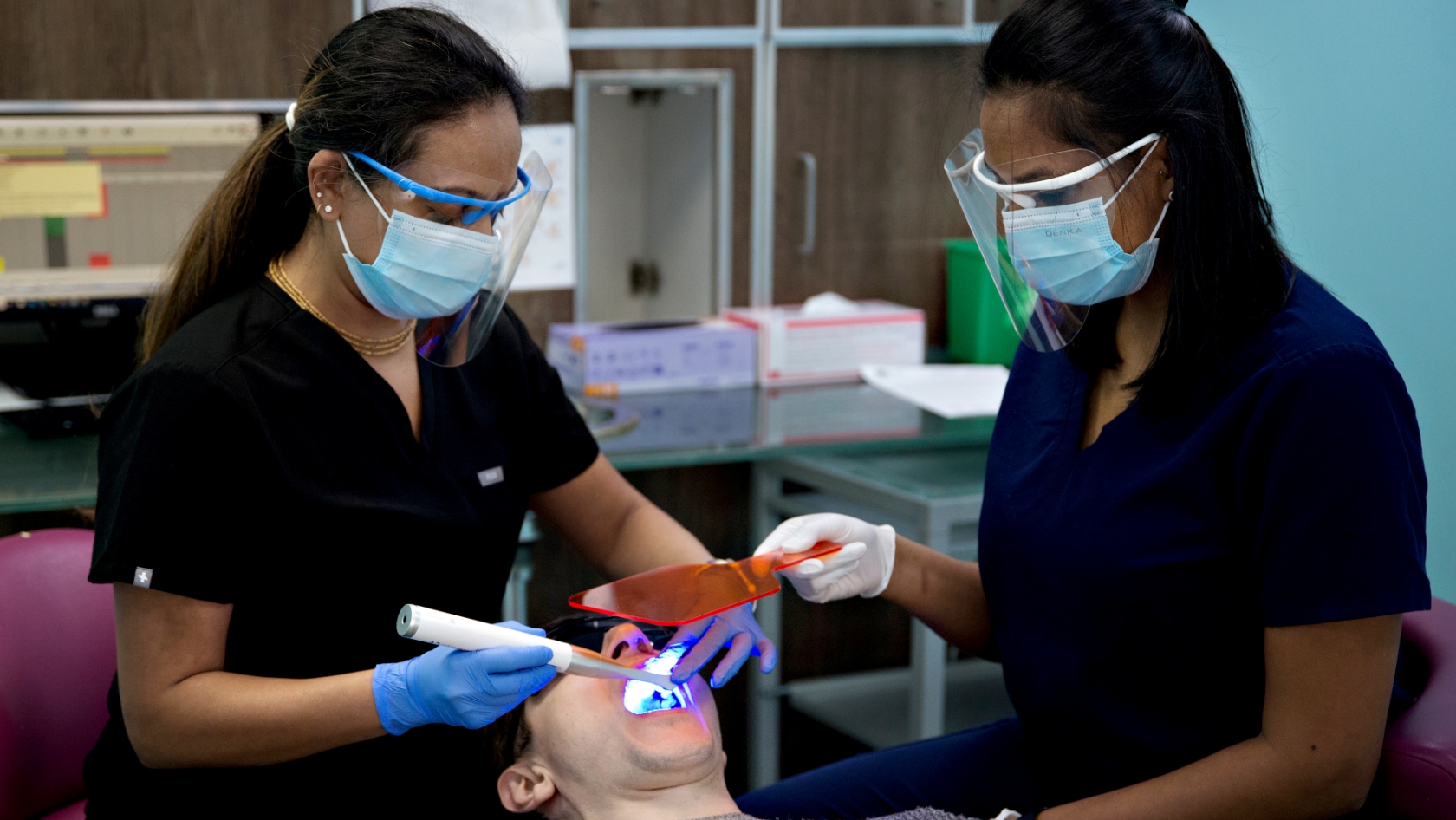
Swollen gums and dental infections can be painful, worrying, and difficult to ignore. While mild gum irritation may sometimes improve with better oral hygiene, persistent swelling, severe discomfort, or signs of infection often require urgent professional attention. In some cases, dental infections can spread quickly and lead to more serious oral health complications if left untreated.
If you are experiencing swelling, pain, or infection and are searching for an Emergency Dentist In Milton Keynes, understanding the causes, symptoms, and treatment options can help you know when urgent dental care is needed.
Prompt treatment not only helps relieve discomfort but may also prevent long-term damage to the teeth, gums, and surrounding tissues.
What Causes Swollen Gums?
Gums can become swollen for many different reasons. In some cases, the swelling may be mild and temporary, while in others it can indicate a more serious dental problem.
Common causes of swollen gums include:
-
Gum disease
-
Dental abscesses
-
Tooth infection
-
Food trapped between teeth
-
Poor oral hygiene
-
Wisdom tooth problems
-
Broken or damaged teeth
-
Irritation from dental appliances
Swelling often develops when bacteria cause inflammation or infection within the gums or supporting tissues around the teeth.
Understanding Dental Infections
Dental infections occur when bacteria enter the tooth, gums, or surrounding tissues. Infections may begin gradually but can quickly become painful and more serious if untreated.
The two most common types of dental infection are:
Tooth Abscesses
A tooth abscess develops when infection reaches the inner pulp of the tooth.
Symptoms often include:
-
Severe throbbing pain
-
Sensitivity to pressure
-
Swelling around the tooth
-
Facial swelling
-
Pain spreading into the jaw or ear
-
A bad taste in the mouth
Gum Abscesses
A gum abscess affects the gum tissue surrounding the tooth rather than the inside of the tooth itself.
Patients may notice:
-
Swollen gums
-
Tenderness
-
Redness
-
Pain when chewing
-
Pus around the gums
Both types of infection should be assessed by a dentist as quickly as possible.
Signs You May Need Emergency Dental Care
Not all gum problems require urgent treatment, but certain symptoms should never be ignored.
You should seek emergency dental care if you experience:
-
Severe swelling in the gums or face
-
Intense or worsening pain
-
Difficulty chewing or swallowing
-
Fever alongside dental pain
-
Swelling spreading into the jaw or cheek
-
Pus or discharge around the gums
-
Persistent bleeding
-
Difficulty opening the mouth
These symptoms may indicate a serious infection requiring immediate professional attention.
Why Dental Infections Should Never Be Ignored
Many people hope that dental swelling or infection will improve on its own, but untreated infections often continue to worsen.
Without treatment, dental infections may:
-
Spread to surrounding tissues
-
Cause severe facial swelling
-
Damage teeth and gums
-
Lead to tooth loss
-
Result in more complex treatment later
Early treatment is important because infections are generally easier to manage before they become more advanced.
Gum Disease And Swelling
Swollen gums are commonly linked to gum disease, which develops when plaque and bacteria build up around the teeth and gumline.
Early Gum Disease
Early-stage gum disease, often called gingivitis, may cause:
-
Red or swollen gums
-
Bleeding when brushing
-
Mild tenderness
-
Bad breath
At this stage, the condition is often manageable with professional cleaning and improved oral hygiene.
Advanced Gum Disease
If left untreated, gum disease may progress and affect the deeper supporting tissues around the teeth.
Advanced gum disease can lead to:
-
Gum recession
-
Loose teeth
-
Infection
-
Persistent inflammation
-
Pain when chewing
Prompt treatment may help slow progression and protect long-term oral health.
Wisdom Tooth Infections
Wisdom teeth are another common cause of swollen gums and infection.
When wisdom teeth partially erupt through the gums, bacteria can become trapped around the area, leading to inflammation and infection.
Symptoms may include:
-
Swelling at the back of the mouth
-
Jaw pain
-
Difficulty opening the mouth
-
Red or inflamed gums
-
Pain while eating
Emergency dental care may help relieve symptoms and determine whether the wisdom tooth requires further treatment.
How Emergency Dentists Diagnose Dental Infections
An emergency dentist will first assess the source and severity of the infection before recommending treatment.
The examination may include:
-
Checking the teeth and gums
-
Assessing swelling and tenderness
-
Looking for signs of abscesses
-
Evaluating gum health
-
Taking dental X-rays if necessary
Identifying the exact cause of the swelling is important because treatment depends on the underlying problem.
Treatments For Swollen Gums And Dental Infections
Treatment will vary depending on the type and severity of the infection.
Professional Cleaning
If plaque and gum disease are contributing to swelling, professional cleaning may help remove bacteria and improve gum health.
Drainage Of Infection
In some cases, abscesses may need to be drained to relieve pressure and remove infection.
Root Canal Treatment
If infection has spread inside the tooth, root canal treatment may help save the tooth while removing infected tissue.
Tooth Extraction
Severely damaged or infected teeth may sometimes require extraction.
Gum Treatment
Specialised gum treatment may help reduce inflammation and improve long-term gum health.
What To Do Before Your Emergency Appointment
While waiting to see a dentist, there are several ways to help manage symptoms safely.
Rinse With Warm Salt Water
Salt water may help soothe irritated tissues and keep the mouth cleaner.
Avoid Irritating Foods
Very hot, cold, spicy, or sugary foods may worsen discomfort.
Maintain Gentle Oral Hygiene
Careful brushing and flossing help reduce bacteria around the affected area.
Stay Hydrated
Drinking water may help keep the mouth cleaner and more comfortable.
Preventing Gum Problems And Dental Infections
Good oral hygiene and regular dental care can significantly reduce the risk of gum swelling and infection.
Attend Routine Dental Check-Ups
Regular examinations allow dentists to identify early signs of infection or gum disease.
Brush Twice Daily
Brushing removes plaque and bacteria that contribute to gum problems.
Floss Daily
Flossing helps clean between teeth where bacteria often collect.
Reduce Sugar Intake
Excess sugar increases the risk of tooth decay and infection.
Do Not Ignore Early Symptoms
Bleeding gums, sensitivity, or mild swelling should always be assessed before the condition worsens.
Emergency Dental Care In Milton Keynes
Swollen gums and dental infections can quickly become painful and more serious without prompt treatment. Whether the problem is caused by gum disease, an abscess, wisdom teeth, or infection inside a tooth, seeking professional care early can help relieve discomfort and protect your oral health.
If you need an Emergency Dentist In Milton Keynes, urgent professional treatment can help diagnose the cause of the swelling, relieve pain, and provide the most appropriate care to restore your oral health as quickly as possible.