
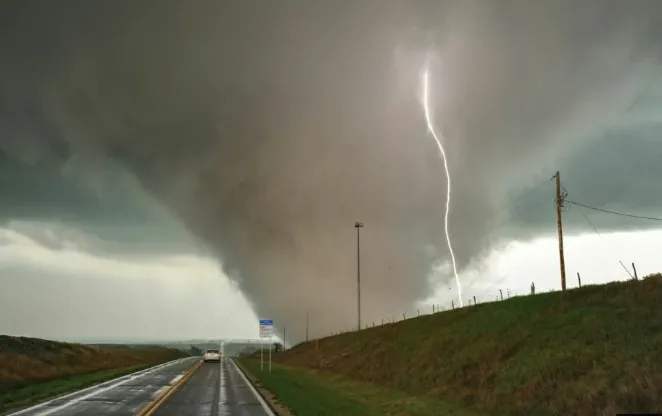
Severe weather can teach lessons that books cannot. Storms show how warm air, wind, moisture, and pressure work together in real time. Storm chasing tours 2027 Wichita Kansas can offer a close look at these forces while keeping safety at the center. Wichita sits near the Great Plains, where spring storms can grow fast and strong. A guided trip can help visitors understand clouds, radar, wind shifts, and storm structure. It is not only about seeing a tornado. It is about learning why severe weather happens.
Why Plains Weather Matters for Study
The Great Plains are a key area for severe weather research. Warm, moist air from the south can meet cooler, dry air from other regions. Strong winds above the ground can add more energy. These ingredients may create large storms, called supercells. Wichita is well placed for learning about this setup because storms often cross the wider Kansas region. A trained guide can explain each stage in simple terms. Small changes in wind or heat can matter. That makes every storm different, and often very interesting to study.
Reading Clouds Before Storms Grow
Clouds can reveal useful clues before a storm becomes severe. Tall towers may show strong rising air. A dark base can signal heavy rain nearby. Flat, spreading tops may mean the storm has reached a strong upper layer. During tornado tours 2027, guides can explain these signs while watching storm movement from a safe distance. Visitors may also learn why some clouds weaken while others keep growing. It becomes easier to understand weather when the sky itself becomes the lesson. A few minutes of careful watching can reveal plenty.
How Radar Helps Track Storms
Radar is one of the most useful tools in modern storm study. It can show where rain is falling and how fast it is moving. Certain radar patterns may also suggest strong rotation inside a storm. Guides often use radar updates with maps, forecasts, and road conditions to plan each move. This helps a group stay away from dangerous areas while following useful weather data. Watching radar beside the real sky can be eye-opening. The screen gives a wider view, while the storm gives the lesson a real setting.
Learning Wind And Storm Motion
Wind is a major part of severe weather, yet it can be hard to see. Storm chasing helps make wind easier to understand. Guides may explain wind direction, speed, gusts, and changes near storm boundaries. A storm can move one way while air near the ground flows another way. That difference can help shape storm structure. Visitors may also learn about outflow, inflow, and wind shear. These ideas sound technical at first. Clear examples make them easier. Watching trees, dust, clouds, and rain can turn those terms into something real.
Safety Rules Make Science Better
Good storm study starts with good safety habits. Storms can produce lightning, hail, flooding, strong winds, and sudden road hazards. A responsible tour does not chase danger for a better view. Drivers and guides watch forecasts, radar, roads, and storm speed before making choices. Visitors should follow every instruction and stay aware of their surroundings. Safe viewing also creates better learning conditions. When people are calm and prepared, they can focus on weather science instead of reacting to risk. That balance is important on every serious storm trip.
What Visitors Can Learn Afterward
A storm trip can leave visitors with more than a few dramatic memories. They may return with a better grasp of forecasting, cloud types, radar images, storm cells, and tornado formation. Storm chasing tours 2027 Wichita Kansas may also help people see how science connects with daily life. Weather affects farms, roads, homes, travel, and local plans. That wider view matters. A good guide can answer simple questions and explain harder ideas without making them feel like a classroom test. The result is practical knowledge that can stay useful long after the trip ends.
Conclusion
Severe weather is powerful, but it is also a natural system that can be studied. A well-planned storm trip can show how heat, moisture, wind, clouds, and pressure interact across the Plains. It can also teach why radar, forecasting, timing, and safety matter. For visitors seeking a deeper view of storm science, storm chasing tours 2027 Wichita Kansas can offer a useful field learning experience. Stormchasing.com provides a place to explore this subject further. The goal is simple: understand the weather, respect its power, and learn from every storm.