
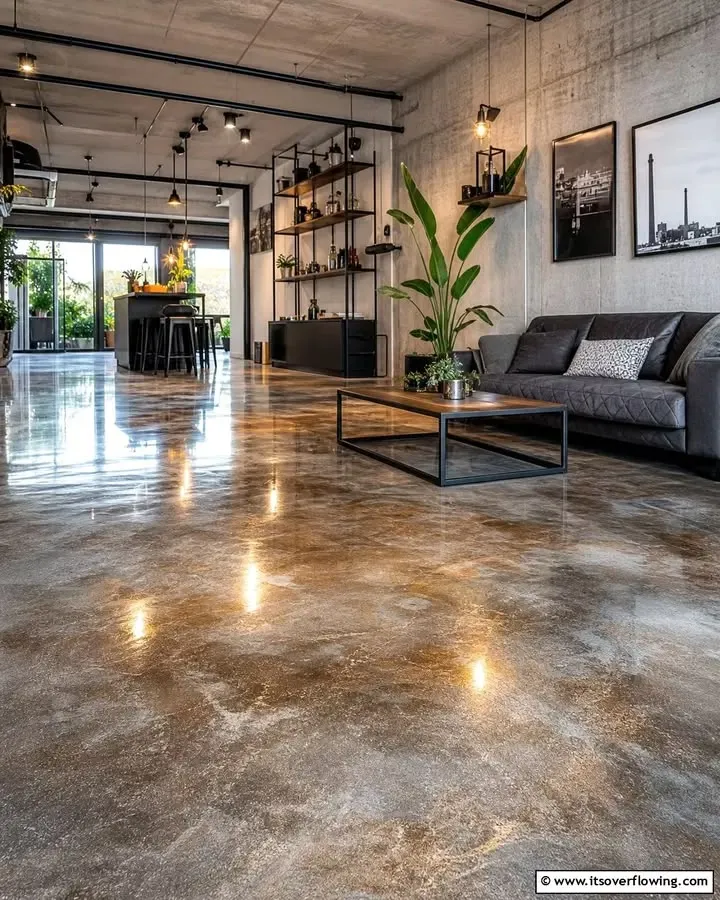
Interior design is often associated with wall colors, furniture, and lighting, but flooring has an equally important influence on how a room feels. A dated surface can make even carefully selected furnishings appear disconnected. Today, homeowners and business owners have more ways to turn ordinary concrete into an attractive feature. One option gaining attention is metallic epoxy flooring, which creates flowing patterns and reflective effects through specially formulated pigments. Rather than covering every surface with traditional materials, property owners can use decorative concrete finishes to establish a more individual interior.
Why Flooring Deserves More Design Attention
Floors occupy a large visual area, making their color and texture important elements of interior design. A consistent finish can connect separate spaces, while a distinctive surface may become the room’s focal point.
Decorative concrete also introduces possibilities beyond conventional tile or carpet. Depending on the treatment, a floor can appear understated, industrial, glossy, or artistic. The right choice should complement the room instead of competing with every other design feature.
Understanding the Metallic Effect
Metallic finishes achieve their distinctive appearance when pigments are incorporated into a resin-based system. As the material is applied and begins curing, the pigments create movement and variations that can resemble flowing water, stone, or clouds.
Because application techniques and curing conditions affect the final pattern, two installations rarely look identical. However, this variation means customers should treat sample images as inspiration rather than expect every detail to be reproduced precisely.
Matching Finishes With Different Interiors
A contemporary living space might benefit from muted silver or charcoal tones, while a creative studio could accommodate stronger color contrasts. Retail showrooms sometimes use reflective surfaces to create a memorable setting for displayed products.
Lighting changes how metallic finishes appear throughout the day. Natural sunlight may emphasize certain patterns, while artificial lighting can highlight reflections. Viewing physical samples under suitable lighting helps property owners select colors that work with their surroundings.
Practical Performance Still Matters
Appearance should never be the only consideration when selecting epoxy flooring. Epoxy systems can provide durable, relatively seamless surfaces when installed over properly prepared concrete, but their performance depends on product specifications and intended use.
High-traffic rooms may need different coating thicknesses or protective finishes from decorative residential areas. Slip resistance, chemical exposure, cleaning requirements, and sunlight should all influence the selection. Some epoxy systems can discolor with prolonged ultraviolet exposure unless suitable protection is provided.
Preparing Concrete for Decorative Applications
An attractive finish begins beneath the visible surface. Existing concrete must be evaluated for cracks, contamination, moisture, and previous treatments that could interfere with bonding.
Mechanical grinding is commonly used to create an appropriate surface profile. Depending on the slab’s condition, cracks or damaged areas may require treatment before coating. Skipping these essential steps can affect adhesion and compromise the appearance of the completed installation.
Balancing Decoration With Everyday Living
A beautiful floor should remain practical after the furniture returns. Spaces used for entertaining, working, or storing equipment have different needs, especially where spills or frequent movement are expected.
Consider the following before choosing a decorative surface:
-
The amount of daily foot traffic.
-
Exposure to water, sunlight, or cleaning chemicals.
-
Furniture movement and potential scratching.
-
Preferred levels of texture and reflectivity.
-
Maintenance instructions for the selected system.
These factors help ensure the design complements everyday activities without creating unnecessary inconvenience.
Understanding Care and Long-Term Appearance
Many resin floors can be cleaned using soft tools and compatible cleaning solutions. Prompt spill removal and regular sweeping help prevent debris from scratching the surface.
However, protective finishes may eventually require attention, especially in demanding environments. Dragging heavy furniture, using abrasive equipment, or applying unsuitable chemicals can cause damage. Discussing maintenance requirements before installation helps property owners understand what the finish will need over time.
Conclusion
Decorative concrete provides an opportunity to make flooring an intentional part of interior design rather than a background necessity. Metallic patterns, thoughtful color selection, and suitable protective systems can transform ordinary spaces into distinctive environments. Nevertheless, successful results depend on matching the finish to the property’s conditions and preparing the underlying concrete correctly. Homeowners and commercial property owners in Utah can explore decorative flooring options and installation considerations through hardrockconcretecoatings.com. By balancing creativity with practical performance, it becomes possible to create interiors that feel personal, welcoming, and suitable for everyday use without relying on conventional flooring materials alone.