
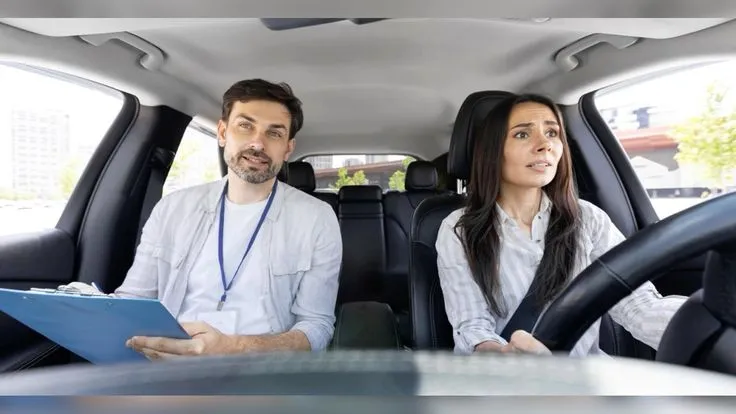
While driver’s education is a crucial step, it’s just one step to becoming a licensed driver in Texas. New drivers still have a lot of practical skills to develop, need to know the next steps to get on the road, and need to get ready for the road test. If you’re taking drivers ed Richmond TX, it can help to understand what to expect once you’ve finished your lessons. Knowing what to expect also enables learners to make the best use of their practice time.
Finish the Education Requirements
The first step once you’ve started driver’s education is to ensure that you’ve finished all the necessary coursework correctly. Driver’s education can consist of online learning, classroom instruction, practical learning or a combination of these.
Knowing the rules of the road, the meaning of traffic signs, safe driving and responsible decision-making skills can be acquired through education. But just because they know the rules doesn’t mean that they are ready to drive alone. The hands-on approach is still a significant aspect of confidence building.
Build Practical Driving Skills
Once the learning has been completed, the learner should concentrate on using the skills acquired in driving. This is where a structured driving lesson can be really beneficial.
Practice should include common driving techniques, including smooth acceleration, controlled braking, turns, lane changes, parking and following at a safe distance. It is also important for learners to learn to observe traffic rather than just their own car.
The instructor can give feedback that can help determine habits that need improvement. Practice also helps to make common driving situations more familiar.
Prepare for the Texas Road Test
The next big event is the road test. The DPS road test Texas is not just a test of your knowledge of traffic laws; it’s a test of your driving skills.
The emphasis in preparation should, therefore, be to practice fundamental skills regularly. Students should learn to use the mirrors properly, to use the signals properly, to keep a safe distance from the lane, to follow traffic light signals and to make safe decisions for traffic.
Working in various traffic conditions is beneficial. Beginners can practice vehicle control on quiet residential streets, and practice flow, lane changes, and decisions on busier streets.
Review Before Scheduling
Learners should be honest in assessing their own skills prior to scheduling the road test. Once you can do a maneuver, it doesn’t necessarily mean that it is reliable enough for a test.
Consider how you will feel if you can do the following comfortably:
-
Maintain appropriate speed and spacing
-
Complete turns with proper control
-
Change lanes while checking surroundings
-
Stop smoothly and safely
-
Park without unnecessary hesitation
-
Follow traffic signs and signals consistently
If one thing is still difficult, it may be more beneficial to practice more rather than get to the test date.
Understand the Testing Process
Learners should also be aware of what will be expected of them prior to their test. Requirements and procedures may be subject to change, and it is important to check current information from the Texas Department of Public Safety prior to scheduling.
The vehicle tested should also comply with the applicable requirements. With the proper paperwork and information about the appointment procedure, there will be no need for unnecessary confusion on test day.
Driving isn’t the only aspect of preparation. Organization can help learners to come with a more relaxed attitude.
What Happens After the Test?
Taking the road test is a step toward becoming a fully-fledged driver, but safe driving doesn’t stop there. New drivers should continue to practice in varying conditions and slowly gain experience of driving on new roads, increasing the volume of traffic and length of distance.
Passing one test should not be the only objective of driver’s education. It should help establish a positive routine to help make safer decisions the next time someone drives.
Conclusion
There are several steps to take to get from driver’s education to a Texas road test. Students must finish their schooling, build up their driving habits, be able to react to the test, and practice until they feel comfortable with the necessary driving techniques. As students progress to the next phase of learning, they may want structured support to see what training is offered on Myfirstdrive.net.