
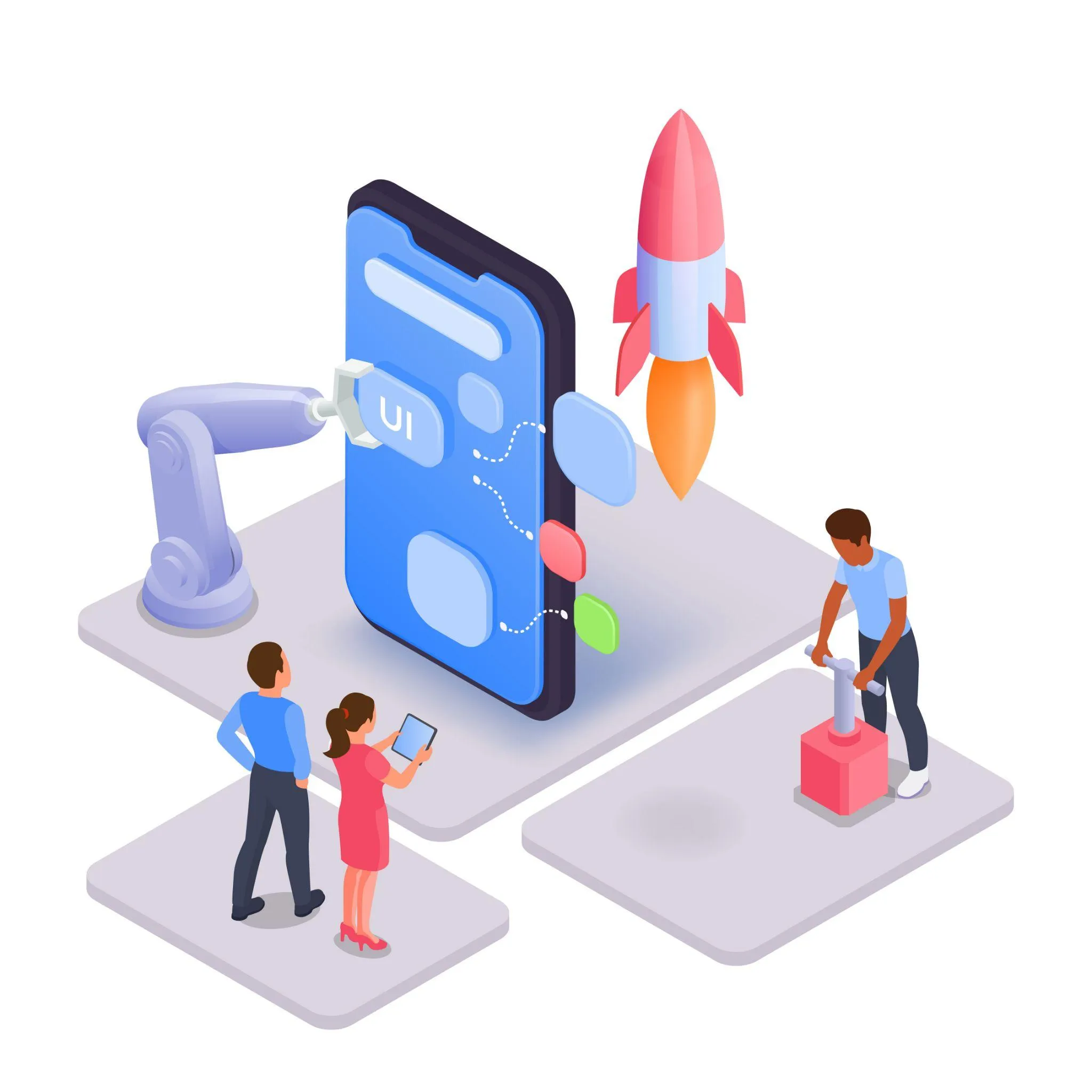
In today’s digital-first economy, businesses are increasingly investing in mobile applications to improve customer engagement, streamline operations, and drive revenue growth. Whether you’re a startup looking to launch an innovative product or an established enterprise aiming to enhance digital experiences, choosing the right partner for App Development Austin can significantly impact your success. As a trusted Mobile App Development Company Dallas and leading Mobile App Development Company USA, iQlance helps businesses transform ideas into scalable, high-performing mobile applications.
Why Austin Has Become a Leading Tech Hub
Austin has rapidly evolved into one of the most dynamic technology ecosystems in the United States. The city attracts startups, entrepreneurs, investors, and global enterprises thanks to its business-friendly environment, skilled workforce, and thriving innovation culture.
Several factors contribute to Austin’s growing reputation as a technology powerhouse:
-
Access to top engineering talent
-
Strong startup ecosystem
-
Lower operational costs compared to Silicon Valley
-
Presence of major technology companies
-
Growing venture capital investments
This environment creates excellent opportunities for businesses seeking cutting-edge mobile application development solutions.
The Growing Demand for Mobile Applications
Mobile applications are no longer optional for modern businesses. Consumers expect convenient digital experiences that allow them to interact with brands anytime and anywhere.
Businesses across industries are investing in mobile apps for:
-
Enhanced customer engagement
-
Improved brand visibility
-
Increased sales and conversions
-
Better customer support
-
Process automation
-
Data-driven decision making
Whether it’s healthcare, fintech, retail, logistics, education, or real estate, mobile applications are becoming a critical component of business growth strategies.
Understanding Mobile App Development
Mobile app development involves designing, building, testing, and deploying software applications specifically for smartphones and tablets. The process requires expertise in user experience design, software engineering, backend architecture, security, and ongoing maintenance.
A successful mobile application typically includes:
User-Friendly Design
An intuitive interface ensures users can easily navigate and complete desired actions.
High Performance
Apps must load quickly, respond smoothly, and function consistently across devices.
Security
Protecting user data through encryption and secure authentication is essential.
Scalability
Applications should support future growth without performance issues.
Integration Capabilities
Modern apps often integrate with payment gateways, CRMs, APIs, cloud services, and analytics platforms.
Types of Mobile Applications
Native Applications
Native apps are built specifically for platforms such as iOS or Android. They deliver exceptional performance and provide full access to device features.
Benefits include:
-
Faster performance
-
Better user experience
-
Enhanced security
-
Improved reliability
Cross-Platform Applications
Cross-platform apps use frameworks such as Flutter or React Native to run on multiple operating systems from a single codebase.
Advantages include:
-
Faster development
-
Lower development costs
-
Easier maintenance
-
Consistent user experience
Progressive Web Apps (PWAs)
PWAs combine website accessibility with app-like functionality, offering a cost-effective alternative for many businesses.
Mobile App Development Process
Understanding the development lifecycle helps businesses plan projects effectively.
1. Discovery and Strategy
This phase includes:
-
Business analysis
-
Market research
-
Competitor evaluation
-
Feature prioritization
-
Technical planning
A strong strategy lays the foundation for project success.
2. UI/UX Design
Designers create wireframes, user journeys, and interactive prototypes to ensure optimal usability.
3. Development
Developers build the frontend and backend systems while integrating required functionalities and third-party services.
4. Testing and Quality Assurance
Comprehensive testing identifies bugs and ensures compatibility across devices and operating systems.
5. Deployment
The application is submitted to app stores and prepared for launch.
6. Ongoing Support
Continuous monitoring, updates, and optimization help maintain performance and security.
Key Technologies Used in Modern App Development
The mobile development landscape continues to evolve rapidly. Popular technologies include:
Frontend Technologies
-
Flutter
-
React Native
-
Swift
-
Kotlin
Backend Technologies
-
Node.js
-
.NET
-
Python
-
PHP
-
Java
Cloud Platforms
-
AWS
-
Microsoft Azure
-
Google Cloud
Database Solutions
-
PostgreSQL
-
MySQL
-
MongoDB
-
Firebase
Selecting the right technology stack depends on business objectives, scalability requirements, and budget.
Benefits of Investing in Mobile App Development
Improved Customer Experience
Mobile applications provide personalized experiences that strengthen customer relationships.
Increased Revenue Opportunities
Apps can generate income through direct sales, subscriptions, advertising, and premium features.
Stronger Brand Recognition
A mobile app keeps your brand visible on users’ devices and encourages regular interaction.
Enhanced Operational Efficiency
Businesses can automate workflows, improve communication, and reduce manual processes.
Valuable Business Insights
Analytics tools help organizations understand customer behavior and make informed decisions.
How Startups Can Benefit from Mobile Applications
For startups, a mobile app often serves as the foundation of their business model.
Key benefits include:
-
Faster market entry
-
Customer acquisition
-
Investor attraction
-
Competitive differentiation
-
Scalable growth opportunities
Startups should focus on developing a Minimum Viable Product (MVP) before investing in advanced features.
How Enterprises Leverage Mobile Solutions
Large organizations use mobile applications to improve internal operations and customer experiences.
Common enterprise applications include:
-
Employee management platforms
-
Customer portals
-
Supply chain management tools
-
Business intelligence dashboards
-
Field service applications
Enterprise-grade applications require robust architecture, advanced security, and seamless integration capabilities.
Challenges in Mobile App Development
Businesses often face several challenges during development:
Choosing the Right Platform
Deciding between native and cross-platform development requires careful evaluation.
Security Concerns
Protecting sensitive customer and business data remains a top priority.
Budget Management
Proper planning helps prevent scope creep and unexpected costs.
User Retention
Attracting users is only the first step. Long-term engagement requires ongoing improvements and feature updates.
Why Choose iQlance for App Development in Austin?
Selecting the right development partner can determine the success of your mobile application project.
iQlance stands out as a trusted technology partner by offering:
-
Experienced mobile app developers
-
Custom development solutions
-
Agile development methodology
-
Transparent communication
-
Scalable architecture
-
Post-launch support and maintenance
As a recognized Mobile App Development Company Dallas with a strong presence across the United States, iQlance delivers innovative mobile solutions tailored to startups, SMBs, and enterprises. Businesses seeking reliable App Development Austin services can leverage our expertise to build applications that drive measurable business outcomes.
Future Trends in Mobile App Development
Emerging technologies continue to reshape the mobile landscape.
Key trends include:
-
Artificial Intelligence integration
-
Generative AI applications
-
Internet of Things (IoT) connectivity
-
Augmented Reality (AR)
-
Blockchain-powered solutions
-
5G-enabled experiences
-
Voice-enabled applications
Organizations that adopt these technologies early can gain a significant competitive advantage.
Conclusion
Austin continues to be one of the most exciting destinations for innovation and digital transformation. Whether you’re a startup launching a disruptive product or an enterprise modernizing operations, investing in professional mobile app development can accelerate business growth.
Partnering with an experienced Mobile App Development Company USA ensures that your application is built using the latest technologies, best practices, and scalable architecture. With proven expertise in App Development Austin, iQlance helps businesses create secure, user-friendly, and high-performance mobile applications that deliver long-term value and measurable success.