
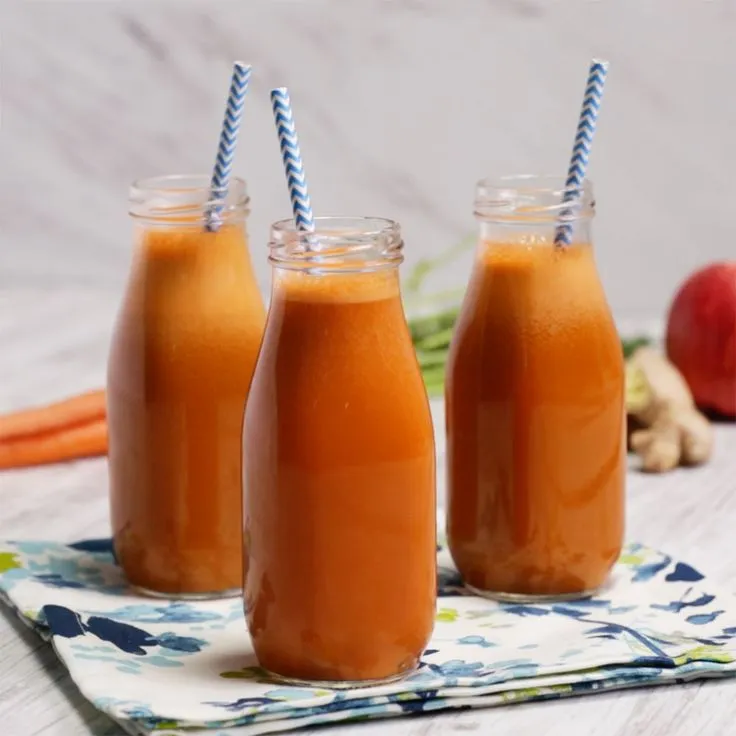
Choosing beta carotene food coloring for a beverage starts with more than deciding whether the drink should look yellow or orange. A color has to disperse evenly, cope with the product’s acidity, and stay appealing after processing and storage. Beta carotene can be supplied in water-dispersible or oil-based formats, which gives developers room to match the color system to the recipe. The better approach is to test it in the finished drink rather than judge it from a concentrated sample alone at first during early product development work.
Why Beta Carotene Fits Many Beverages
Beta carotene is a naturally occurring pigment found in plants and other natural sources. FoodRGB offers beverage-focused beta carotene options in emulsions, powders, and oil suspensions, including formulations intended for functional drinks. Its yellow-to-orange range makes it useful when a brand wants a warm, familiar appearance without relying on a single format for every product. The formula still matters, though. A clear flavored water, a dairy-based drink, and a smoothie can make the same pigment look noticeably different once other ingredients are present in the final mix.
Acidity Can Change the Decision
Beverages often contain acids for flavor, freshness, or formulation needs, so pH should be checked early rather than after the color has been chosen. FoodRGB describes beta carotene as suitable across a broad pH range, which can make it practical for several drink categories. Even with that flexibility, the final recipe deserves testing because acids are only one part of the system. Vitamins, minerals, botanical extracts, sweeteners, and fruit components may also affect how a natural color looks or performs over time in the finished beverage during storage.
Clear and Cloudy Drinks Need Different Thinking
A transparent beverage shows every detail of the color, while an opaque or cloudy drink can soften the same shade. That difference matters when selecting food coloring for drinks. FoodRGB supplies natural beverage colors in both powder and liquid forms for carbonated drinks, hydration products, coffee and tea, frozen drinks, cocktails, mocktails, juices, and smoothies. Developers should judge color in the actual base because clarity, solids, and other ingredients can alter how bright, deep, or clean the finished shade appears to the customer at the point of purchase.
Processing Should Be Included in Trials
A drink may look right immediately after blending and still change after pasteurization, hot filling, cooling, carbonation, or freezing. For that reason, a useful color trial follows the same steps planned for commercial production. Beta carotene is described by FoodRGB as having good heat and light stability, but performance should still be checked in the intended application. Testing after processing gives a much more realistic answer than looking at an untreated bench sample. It also helps teams spot issues before larger batches make adjustments more expensive to correct.
Packaging Can Affect What Customers See
Color development does not end when the drink leaves the processing line. Clear bottles, cans, cartons, and other packages expose products to different levels of light and oxygen. Storage temperature can also vary between distribution, retail, and the consumer’s home. A good trial therefore includes the planned package whenever possible. Comparing samples at several points during shelf testing can reveal gradual fading or a shift in tone that is easy to miss on day one. This is especially useful for products expected to stay on shelves for several months.
Small Adjustments Often Work Better
When a color is close but not quite right, the answer is not always to add more. A slightly different concentration, color format, or formulation can sometimes produce a cleaner result. Side-by-side trials make those differences easier to see. They also help developers compare how the shade behaves after processing rather than relying on the strongest-looking fresh sample. For beverage teams, this kind of practical testing can save time because decisions are based on the real product instead of assumptions about what a pigment should do in theory alone.
Conclusion
Natural beverage color works best when it is treated as part of the formula, not as a finishing touch. Beta carotene offers useful yellow-to-orange possibilities, but the right result still depends on the drink’s acidity, clarity, processing, packaging, and storage. Manufacturers exploring these choices can use foodrgb.com to review natural color options and application support for beverage development. A successful color is the one that blends well, survives the production route, and still gives the intended appearance when the customer finally opens the finished product.